
This time, we’re introducing Ohitorisama Hotel—a soothing, hotel-centric manga perfect for learning refined Japanese used by working adults.
Work Information
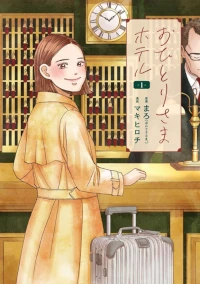
Ohitorisama Hotel
Author: Maro / Makihirochi
Publisher: SHINCHOSHA
Amount of text: plentiful
Challenge level: ★★★
Latest volume : Vol.7(Sep.2025 / Ongoing)
Story overview
Turning the “everyday” into something special— Fumika Shiokawa, who works at an architectural design firm, cherishes the quiet, luxurious time she spends alone in hotels. Her friends, too, each have their own particular tastes and philosophies about hotels.
From the creator of “Wake Up, Tiffany”, Hirochi Maki delivers a collection of warm, reflective stories centered around hotels and the people who visit them. Just like in the magazine publication, the digital edition also includes full-color opening pages.
The Appeal of This Manga
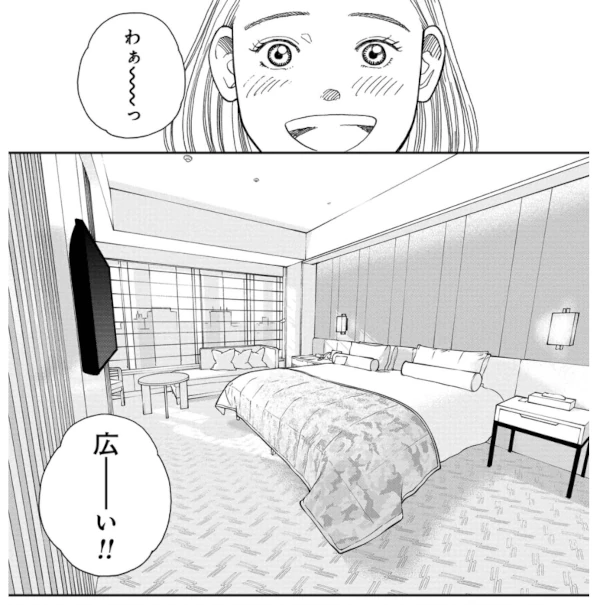
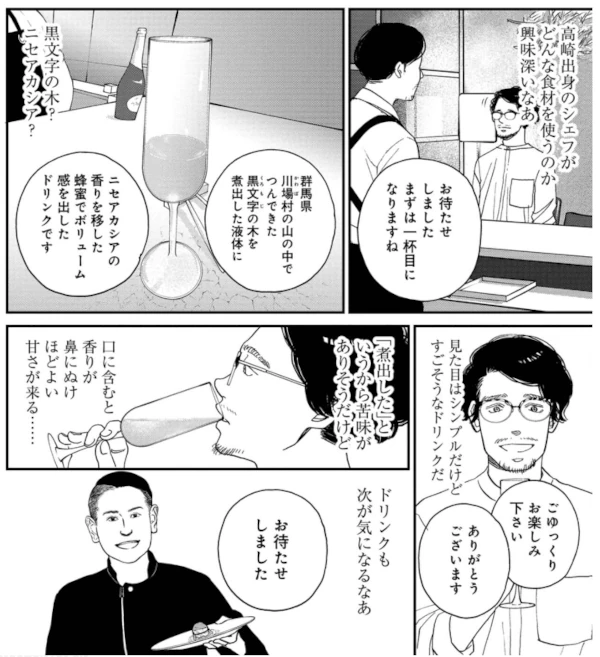
The series follows employees of a hotel-focused design company as they visit real hotels, find comfort in their atmosphere, and gently work through their personal worries and stresses. One key charm: every hotel that appears in the story exists in real life.
For example, the very first chapter features the renowned Hotel Okura Tokyo.
As you follow the lives of busy men and women in their 20s and 30s—each facing their own challenges—the manga also doubles as an elegant guide to high-quality Japanese hotels and travel spots. It’s a rare work that blends slice-of-life drama with real-world travel culture.
Why this manga is suitable for learning Japanese
This manga is not only entertaining but also highly recommended for Japanese learners for several reasons.
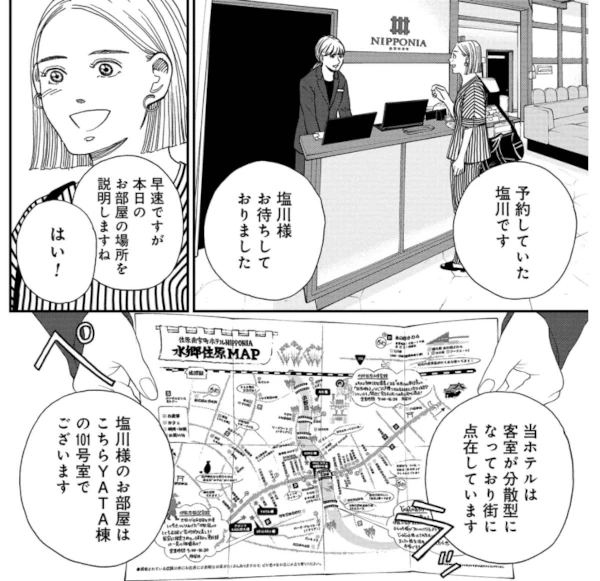
A wide range of honorific speech
You’ll encounter many types of polite Japanese:
・Professional敬語 used by hotel staff
・Polite language used when characters speak with clients
・Respectful speech toward seniors or superiors
For learners who want to level up their business Japanese, this series offers an excellent, practical reference.
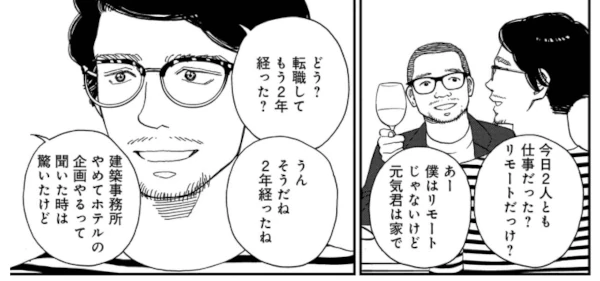
Natural Japanese used by working adults
Since the characters are working professionals in their 20s and 30s, the topics and conversations reflect real adult life. This provides grounded, practical Japanese—a sharp contrast to the teen-centered romance or action-focused dialogue common in many manga.
Phrase Spotlight
Why Japanese People Love Kosupa—and What Taipa Even Means「コスパ」 & 「タイパ」
From restaurant choices to home appliances, you’ll often hear Japanese people say: 「ここ、コスパいいね!」 —“This place has great cost performance!”
Understanding コスパ and its newer cousin タイパ will help you follow everyday Japanese conversations—especially among younger adults and in online culture.
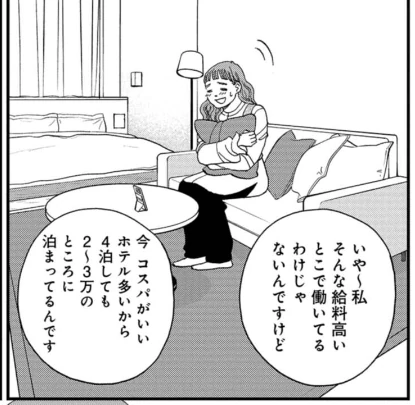
What “コスパ” Really Means
コスパ is short for コストパフォーマンス (cost performance). Just like in English, it refers to the balance between cost and benefit—but in Japanese, the word has taken on a much broader, more everyday meaning.
In Japan, コスパ can describe almost anything:
・Restaurants and cafés
・Home appliances and gadgets
・Amusement parks and leisure activities
・Clothing, beauty items
・Even home cooking or daily routines
Example:
「この店、コスパ最高!」
“This restaurant has amazing cost performance!”
Because it’s so useful across many daily situations, コスパ moved from being a trendy buzzword to a standard, everyday term. Today, people of all ages use it naturally.
The Cultural Appeal: Why “コスパ” Became Standard
コスパ became popular in the 2000s and 2010s, especially as people began sharing reviews online.
Japanese consumers often value:
・Good quality
・At a reasonable price
・With a feeling of “smart spending”
コスパ perfectly captures this mindset. It conveys not only “cheap,” but “a good choice that feels worth it.” Because of this nuance, the word has become deeply rooted in modern Japanese speech.
Enter “タイパ”: Time Performance
A newer word has appeared in recent years—especially among younger generations:
タイパ
(short for タイムパフォーマンス, time performance)
タイパ refers to how efficiently you use your time, not your money.
People use it when choosing activities that give the most value in the shortest amount of time:
・Watching short video summaries instead of long shows
・Speeding up YouTube or podcasts
・Using quick recipes
・Choosing hobbies or tasks that feel “worth the time”
Example:
「映画よりネトフリのダイジェストのほうがタイパいい。」
“The Netflix digest has better time performance than watching the whole movie.”
タイパ is still newer and more trend-like than コスパ, but it has quickly become common in online discussions, work culture, and everyday speech.
How These Words Reflect Modern Japanese Life
Both コスパ and タイパ reflect a broader cultural trend in Japan:
・Making smart choices
・Reducing waste
・Maximizing value in everyday life
・Feeling satisfied with efficient decisions
They show how Japanese often frame daily activities not just in terms of money, but also time—two valuable resources.
What This Means for Learners
For students of Japanese, コスパ and タイパ are essential pieces of modern vocabulary.
コスパ is widely used by all age groups and is now a standard everyday word. タイパ is newer, trendier, and especially common among teens and young adults.
Understanding these terms helps you:
・Follow natural conversation
・Understand product reviews, social media, and modern dialogue
・Grasp cultural attitudes toward value and efficiency
Next time you hear:
「コスパいい!」 or 「タイパ悪い…」,
you’ll know that Japanese people are evaluating not just price or time, but the overall smartness of a choice.
A Little Warning
High information density
Because the series is rich in dialogue—and also functions as a hotel and gourmet guide—there’s a lot of information packed into each chapter. Beginners may find it challenging, but intermediate and advanced learners will benefit greatly from its rich, authentic language.
Work Information
Ohitorisama Hotel
Author: Maro / Makihirochi
Publisher: SHINCHOSHA
Amount of text: plentiful
Challenge level: ★★★
Latest volume : Vol.7(Sep.2025 / Ongoing)
Here’s a safe and convenient way to purchase Japanese manga.
This Blog’s ConceptIn this blog, we are introducing manga that are not only highly captivating but also ideal for Japanese language learners. Studying Japanese through manga is both fun and effective. Manga allows you to understand the subtleties of keigo (honorifics), teineigo (polite speech), and casual conversation in Japanese. We hope you find works that match your interests and use them to enhance your Japanese learning journey.