
This time, we’re introducing Yoki Horitsuka wa Ashiki Rinjin—a legal drama manga that lets Japanese learners explore business敬語 and contemporary issues through tense courtroom battles.
Work Information

Yoki horitsuka ha ashiki rinjin
Author: Nakagawa / Sugawara Koyubi
Publisher: KODANSHA
Amount of text: plentiful
Challenge level: ★★★
Latest volume : Vol.5(Nov.2025 / Ongoing)
Story overview
“An honest person won’t be deceived—so be more honest than anyone else.” Holding close to these words left behind by her late father, a former lawyer, Aki Higa throws herself into work as a rookie attorney at a major law firm.
Her first solo assignment is a lawsuit involving the massive IT conglomerate Next Prism. After thorough preparation, Aki enters the courtroom—only to find that the opposing counsel is Wataru Yagi, a former con artist with a criminal record.
What’s more, Yagi seems to know Aki from long ago… A legal entertainment story full of deception and intrigue begins!
The Appeal of This Manga
This series follows a rookie lawyer who teams up with a highly skilled but notorious attorney—one with a past arrest—as they take on a wide range of cases.
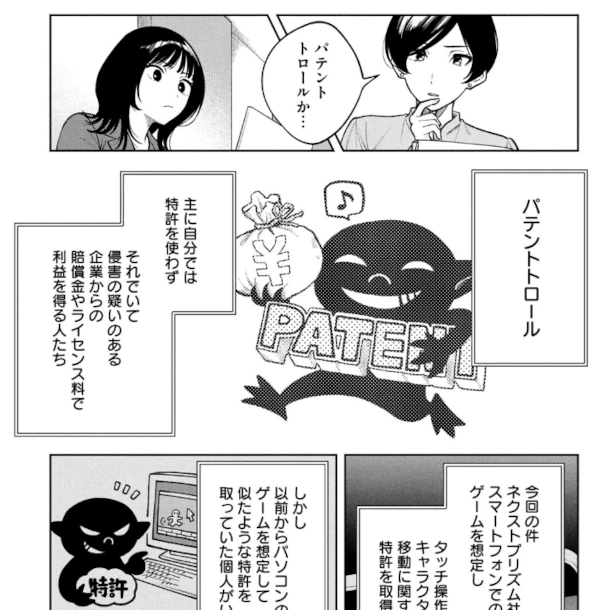
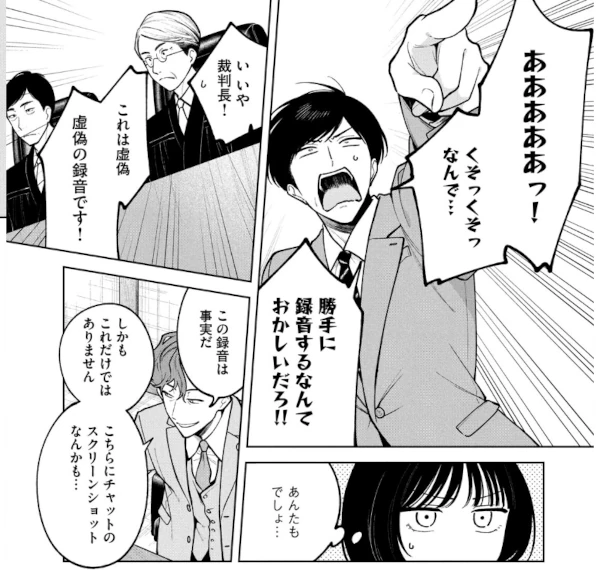
Timely, modern issues such as video game copyright disputes (patent trolls) and false workplace harassment claims are woven into the story. Because the protagonist herself is a beginner, readers can learn about the background and core of these issues from the ground up, from the same perspective as Aki.
Yagi, the ex-con artist partner, plays the role of a dark-hero figure, adding tension and excitement to the narrative. As Aki gradually becomes entangled in a larger story connected to her father’s death, readers will find themselves absorbed in a carefully constructed, multilayered plot.
Why this manga is suitable for learning Japanese
This manga is not only entertaining but also highly recommended for Japanese learners for several reasons.
Surprisingly Accessible Business Japanese
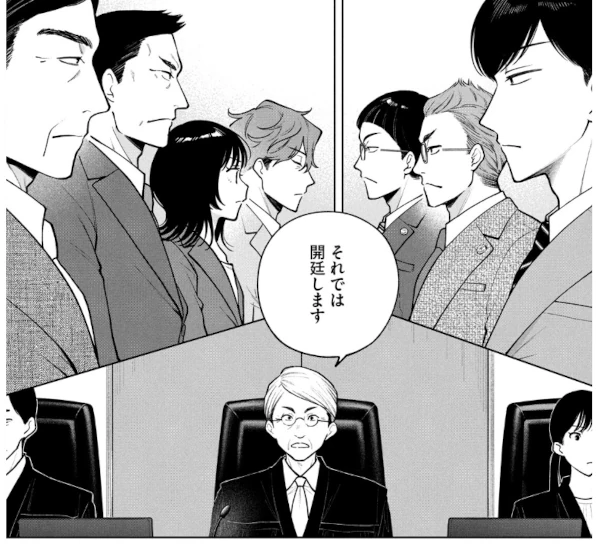
With lawyers as the main characters and many courtroom scenes, this manga might sound linguistically intimidating. However, the dialogue is written with readability in mind, making it more approachable than expected.
While formal expressions and legal vocabulary do appear, the overall level strikes a good balance—neither too difficult nor too simple—allowing learners to encounter plenty of real-world business honorifics (敬語) in context.
Rich in Contemporary Topics
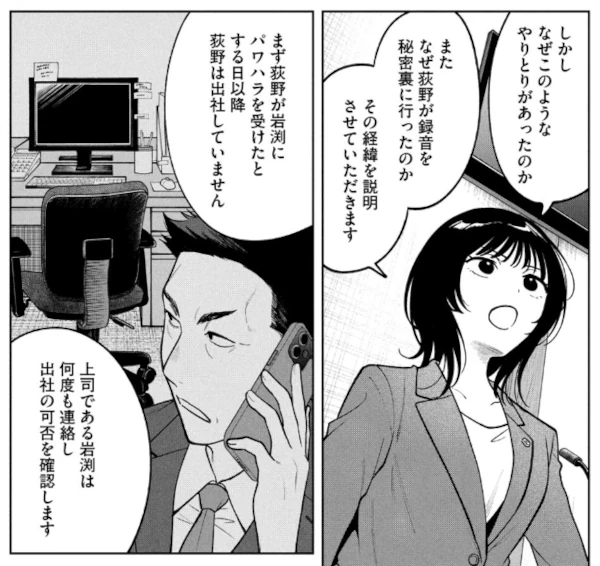
The legal cases revolve around issues like game copyright disputes and workplace harassment, reflecting modern Japanese society. As a result, this manga is also useful for studying current, news-related Japanese.
Reading through the series can help learners improve their understanding of the kind of language used in news articles and newspapers.
Phrase Spotlight
Inside Japan’s Legal Dramas: Why Lawyers Make Compelling Stories法律モノ
Stories centered on lawyers may sound serious or difficult, but in Japan, they have long been a familiar and popular form of entertainment—especially on television.
From classic legal dramas to recent hits, lawyer protagonists have repeatedly captured public attention. This popularity may seem surprising given how technical and rigid the legal world appears, but there are clear cultural and narrative reasons behind it.
A Longstanding Favorite in Japanese TV Drama
In Japanese TV drama, the “lawyer genre” has deep roots and enduring appeal.
Earlier works like Legal High became cultural phenomena by combining courtroom battles with sharp humor and exaggerated personalities. More recently, lawyer-led stories have once again drawn attention, such as:
・Tora ni Tsubasa (2024, NHK Asadora), which explored law, gender, and modern Japan through the life of a pioneering female legal professional
・Anti-Hero (TBS Sunday Theatre), which questioned justice itself by portraying a morally ambiguous defense lawyer
These shows demonstrate that legal dramas in Japan are rarely just about winning cases. They are often about society, ethics, power, and the contradictions hidden within “justice.”
Manga: Fewer Titles, but Growing Recognition
Compared to television, lawyer-themed manga have never formed a massive, clearly defined genre. However, notable works have begun to stand out.
Titles like Kujo no Taizai and Yoki Horitsuka wa Ashiki Rinjin show that legal stories can thrive in manga form as well—especially when they focus on character dynamics, moral gray zones, and contemporary social issues rather than pure legal procedure.
Rather than flooding the market, lawyer manga tend to appear quietly, often gaining recognition through strong writing and word-of-mouth rather than explosive popularity.
Why Do Legal Stories Attract a Wide Audience?
Despite the formality of the legal world, lawyer stories resonate with a broad audience for several reasons:
1. Justice as Drama
Courtrooms naturally create conflict: truth versus lies, power versus vulnerability, individual versus institution. These tensions are universal and emotionally compelling.
2. A Safe Way to Question Society
Legal stories allow audiences to examine uncomfortable topics—corporate abuse, harassment, copyright disputes, social inequality—within a structured narrative space.
3. Characters Between Idealism and Reality
Japanese lawyer protagonists are often depicted as torn between ideals and compromise. This struggle mirrors real-life work culture and social pressure, making the stories relatable even to non-lawyers.
What Lawyer Stories Offer Japanese Learners
For learners of Japanese, lawyer-themed entertainment offers unique value.
Exposure to Formal and Professional Japanese
Courtrooms and law offices naturally involve business Japanese, polite speech, and honorifics. While simplified for readability, the language reflects real hierarchical and professional settings.
Contemporary Vocabulary and Context
Many cases revolve around modern issues—IT companies, workplace harassment, media rights—making these stories useful for understanding Japanese as it appears in news and public discourse.
Balanced Difficulty
Unlike purely academic legal texts, manga and dramas present complex ideas through dialogue and narrative, offering a challenging but approachable learning experience for intermediate to advanced learners.
More Than Just Legal Knowledge
Ultimately, Japanese “lawyer stories” are not really about teaching law.
They are about:
・how Japanese society defines fairness
・how individuals navigate rigid systems
・and how language reflects authority, resistance, and persuasion
For Japanese learners, engaging with this genre means learning not only vocabulary and speech patterns, but also how Japan talks about justice, responsibility, and human conflict.
That layered richness is what makes lawyer-themed manga and dramas quietly but enduringly compelling.
A Little Warning
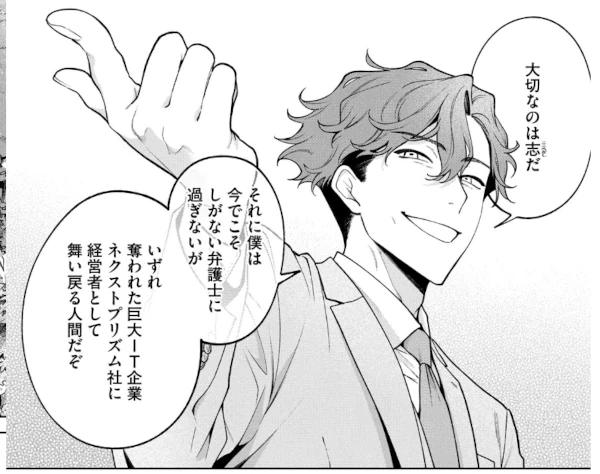
Yagi’s Arrogant Speech Style
Yagi’s character—a lawyer with a criminal past—stands out partly because of his arrogant and overbearing way of speaking. This is a deliberate stylistic choice to emphasize his personality, but it’s best not to imitate his speech in real-life situations.
Work Information
Yoki horitsuka ha ashiki rinjin
Author: Nakagawa / Sugawara Koyubi
Publisher: KODANSHA
Amount of text: plentiful
Challenge level: ★★★
Latest volume : Vol.5(Nov.2025 / Ongoing)
Here’s a safe and convenient way to purchase Japanese manga.
This Blog’s ConceptIn this blog, we are introducing manga that are not only highly captivating but also ideal for Japanese language learners. Studying Japanese through manga is both fun and effective. Manga allows you to understand the subtleties of keigo (honorifics), teineigo (polite speech), and casual conversation in Japanese. We hope you find works that match your interests and use them to enhance your Japanese learning journey.