
This time, we’re introducing Kozuka Bucho, Gohan Issho ni Dodesuka?—a gourmet office romance perfect for learning natural business Japanese.
Work Information
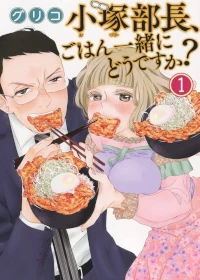
Kozuka Bucho Gohan issho ni dodesuka?(小塚部長、ごはん一緒にどうですか?)
Author: Guriko
Publisher: SHONENGAHOSHA
Amount of text: moderate
Challenge level: ★★
Latest volume : Vol.4(Mar.2025 / Completed)
Story overview
Haruki Sakurazawa, a young employee who has just transferred to the Advertising Department, is capable and composed at work—but hopelessly awkward when it comes to romance. Fresh off a painful breakup, she’s still nursing a broken heart.
One day, she finds herself strangely captivated by the sight of her warm, well-respected boss, Manager Kozuka, single-mindedly devouring his meal…!? Thus begins a dining-table romantic comedy about two emotionally clumsy coworkers.
The Appeal of This Manga
You might call it a gourmet romance—but what makes it unique is its single bold premise: feeling romantic excitement from watching someone of the opposite sex eat.
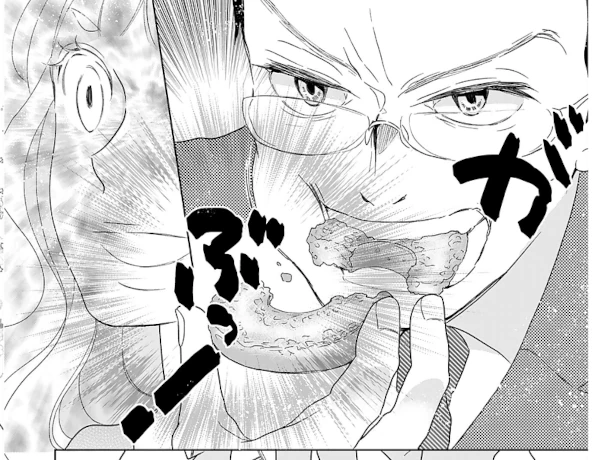
The way Haruki becomes entranced by Kozuka’s hearty eating style is especially memorable. Naturally, the meal scenes are the highlights—but the everyday moments leading up to those meals are just as engaging, thanks to the story’s brisk pacing.
While the manga carefully explores the characters’ inner feelings, it also sprinkles in plenty of comedic moments. You may find yourself laughing out loud or feeling your heart race along with the characters—and before you know it, you’ve read the whole thing.
Why this manga is suitable for learning Japanese
This manga is not only entertaining but also highly recommended for Japanese learners for several reasons.
A High Ratio of Keigo (Polite Speech)
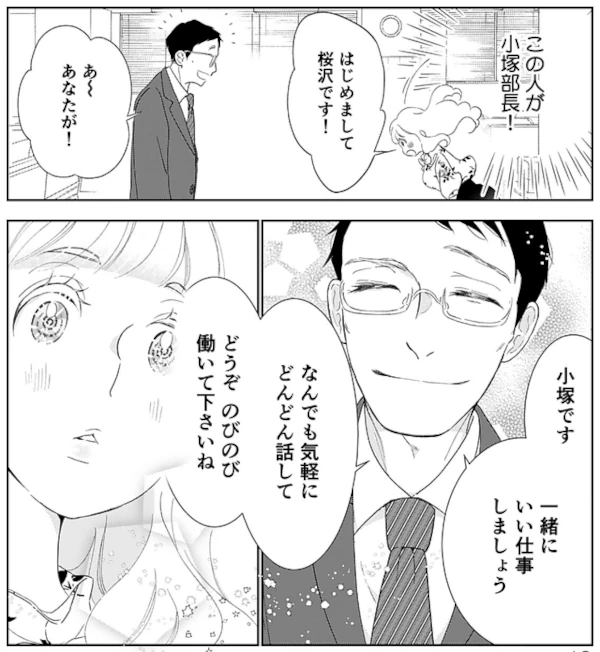
It’s natural that Haruki, as a subordinate, speaks to Kozuka using keigo—but Kozuka also uses polite speech when talking to her, reflecting a modern, considerate managerial style.
Dialogue in the manga is natural and not overly dramatized, so learners could safely model their own speech on it. Because conversations between the two main characters themselves are conducted largely in polite language, the overall ratio of keigo dialogue remains consistently high.
Modern, Natural Office Keigo
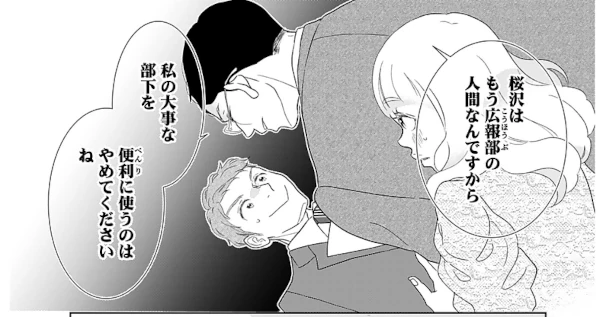
Given the workplace romance setting, many scenes take place in the office. Conversations with colleagues and staff from other departments are woven throughout, offering realistic examples of the kind of polite Japanese actually used in corporate environments.
Culture Spotlight
The Social Meaning of Being Alone in Japanおひとりさまカルチャーの実際
In the manga introduced this time, there’s a scene where a young woman feels embarrassed about being seen eating alone at hearty, heavy restaurants—places known for rich pork rice bowls or oversized dipping ramen.
Why would this be embarrassing? To understand that, we need to look at the social expectations that still shape behavior in modern Japan.
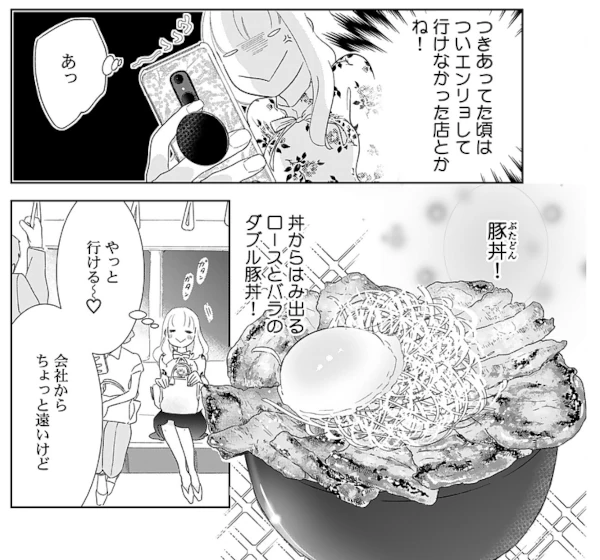
“Unladylike” Dining? Gendered Food Spaces
Traditionally in Japan, certain types of restaurants have been culturally coded as “male spaces.”
These include:
- Pork bowl chains
- Ramen shops
- Beef bowl counters
- Late-night diners serving large portions
Such places are associated with quick, filling meals for hungry salarymen. As a result, a lingering social perception developed: that it is “unrefined” or “unfeminine” for young women to visit these establishments alone—especially to eat large, greasy meals.
Even today, some women feel self-conscious about being seen in these environments, particularly by coworkers or acquaintances.
The Rise of Ohitorisama: Solo Life as Independence
This norm began to shift in the late 1990s.
The term おひとりさま (ohitorisama) emerged to describe independent single adults—especially women—who enjoyed activities alone, such as:
- Dining out
- Traveling
- Going to concerts or movies
- Pursuing hobbies solo
Rather than being seen as lonely, this lifestyle was reframed as confident and self-reliant.
By the mid-2000s, the idea sparked an “ohitorisama boom.” Businesses began marketing services specifically for solo female customers, recognizing a new consumer demographic.
From “Ohitorisama” to “Solo-katsu”
In later years, the term ソロ活 (solo-katsu, “solo activities”) gained popularity, modernizing the concept.
Today in Japan, it is quite common to see women enjoying:
- Solo café visits
- Solo travel
- Solo karaoke
- Solo luxury dining
On the surface, solo enjoyment appears fully normalized within women’s lifestyles.
Persistent Undercurrents: Why the Stigma Remains
Yet the manga’s 2022 setting highlights an important reality:
Some older value systems remain deeply rooted.
While solo cafés or travel feel socially accepted, solo visits to “heavy, masculine” food spots can still carry stigma.
In other words, acceptance is selective.
- A woman dining alone at a stylish café → socially comfortable
- A woman eating a giant pork bowl alone → still judged by some
This reveals how gender expectations continue to shape perceptions of “appropriate” behavior.
Social Expectations by Gender and Age
This phenomenon reflects a broader pattern in Japanese society:
People are often expected—implicitly—to behave according to norms tied to:
- Gender
- Age
- Workplace role
- Marital status
Examples include:
- Women expected to favor lighter meals or “cute” dining spaces
- Men discouraged from ordering small portions or sweets
- Older employees expected to avoid trendy youth culture
- Young workers expected to show modesty in consumption
These expectations are rarely written rules—but they function as powerful social pressure.
What This Means for Japanese Learners
For learners of Japanese, understanding these dynamics adds cultural depth to language study.
Dialogue about food, embarrassment, or “being seen” often carries subtext shaped by:
- Gender norms
- Generational attitudes
- Ideas of propriety (はしたない / unrefined behavior)
When a character says, “I don’t want anyone to see me eating there alone,” the meaning goes beyond personal shyness—it reflects social conditioning.
Culture in Transition
Modern Japan sits at an intersection:
- Individual lifestyles are expanding.
- Solo culture is widely marketed and visible.
- Yet traditional expectations still influence self-image and behavior.
This tension—between independence and social perception—frequently appears in contemporary manga and drama, making such scenes especially meaningful cultural learning moments.
A Little Warning
Are the Expressions Too Sensual?
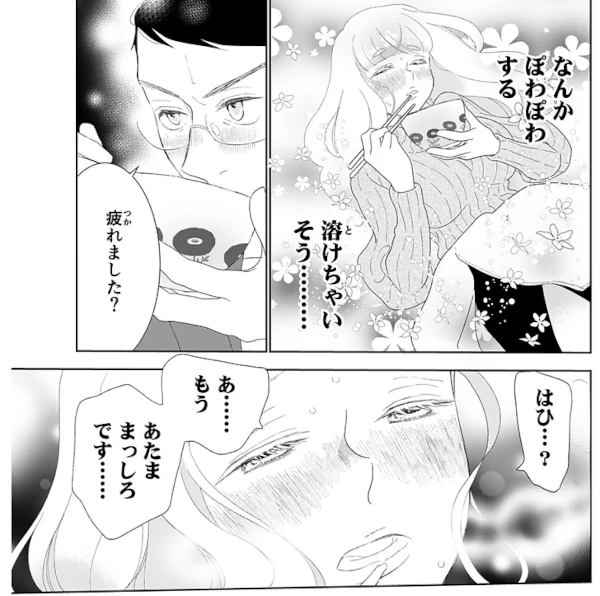
A core element of the story is Haruki’s fascination with Kozuka’s eating. These depictions are often exaggerated in a sensual, almost seductive way—something that may not appeal to all readers.
Work Information
Kozuka Bucho Gohan issho ni dodesuka?(小塚部長、ごはん一緒にどうですか?)
Author: Guriko
Publisher: SHONENGAHOSHA
Amount of text: moderate
Challenge level: ★★
Latest volume : Vol.4(Mar.2025 / Completed)
Here’s a safe and convenient way to purchase Japanese manga.
This Blog’s ConceptIn this blog, we are introducing manga that are not only highly captivating but also ideal for Japanese language learners. Studying Japanese through manga is both fun and effective. Manga allows you to understand the subtleties of keigo (honorifics), teineigo (polite speech), and casual conversation in Japanese. We hope you find works that match your interests and use them to enhance your Japanese learning journey.