
This time, we’re introducing Yasashii Hikari—a relaxing slice-of-life manga perfect for learning soft, polite Japanese and everyday conversation.
Work Information

Yasashii Hikari (やさしいヒカリ)<
Author: Nakamura Hinata
Publisher: KODANSHA
Amount of text: moderate
Challenge level: ★★
Latest volume : Vol.3(Nov.2019 /Completed)
Story overview
What if you were to start a new life somewhere far away…?
Miyake, a salaryman exhausted by his relentless daily routine, finds himself taking a new job on Tsukinowa Island—a place where time flows gently and peacefully.
Guided by a high school girl, he begins a completely new way of life. A relaxing, sea-breeze-filled drama begins!
The Appeal of This Manga
A man in his twenties, worn down by work, unexpectedly becomes the postmaster of a small island.
This manga carefully portrays his slow-paced life, his interactions with the people he meets, and the quiet rhythms of everyday living.
In contrast to the fast-paced life of the city (Tokyo), the calm flow of time on the island allows him to gradually rediscover what he had lost in his hectic routine. Readers who are also caught up in busy daily lives may find this especially relatable and moving.
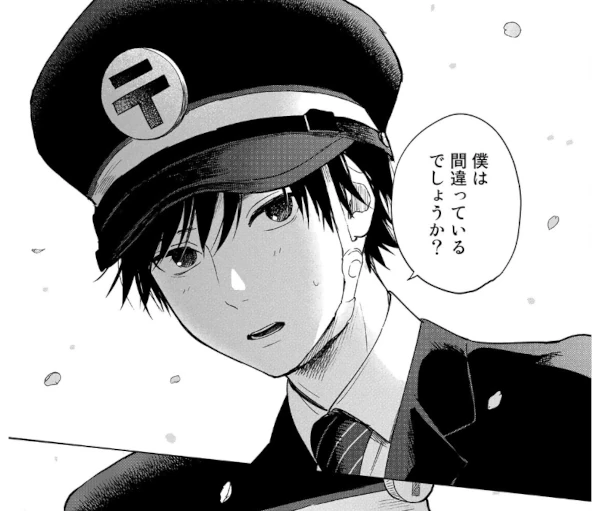
Why this manga is suitable for learning Japanese
This manga is not only entertaining but also highly recommended for Japanese learners for several reasons.
Gentle and Soft Polite Speech
Miyake is kind and not overly assertive, and this is reflected in the way he speaks—his words are naturally calm and gentle.
For learners who want to acquire polite Japanese with a soft, modest nuance, this manga is especially recommended.
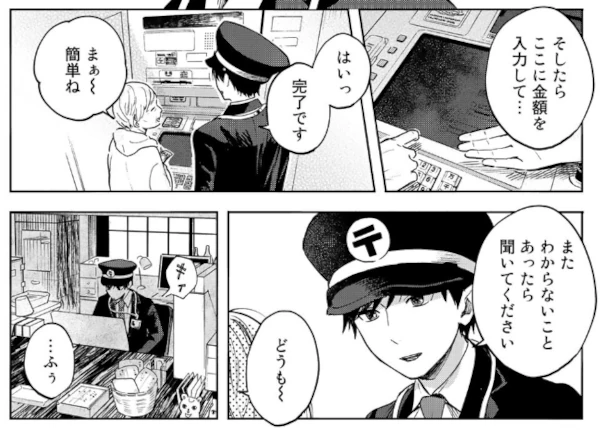
Plenty of Everyday Conversations
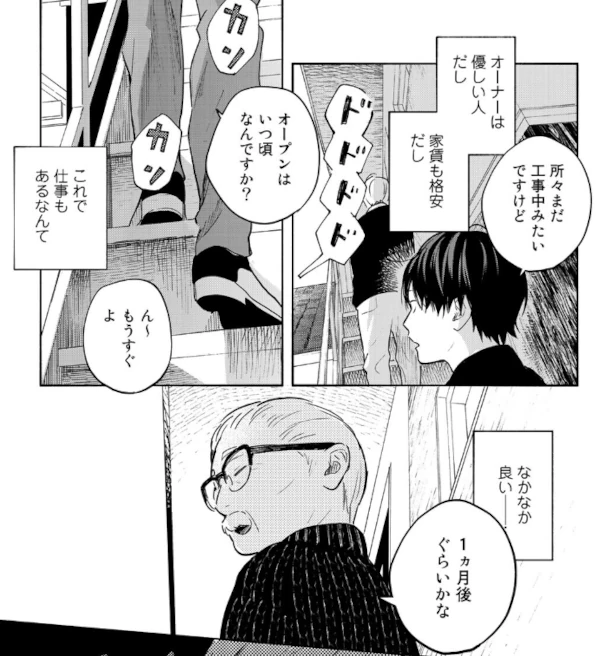
Because the story focuses on a small, close-knit community—such as the family he lives with and the people on the island—the range of relationships is relatively limited, and most scenes depict everyday life.
This makes it an ideal resource for learning practical, daily Japanese conversation.
Culture Spotlight
From Countryside to City: Understanding Japan’s Urban Dreams都会(東京)への憧れ
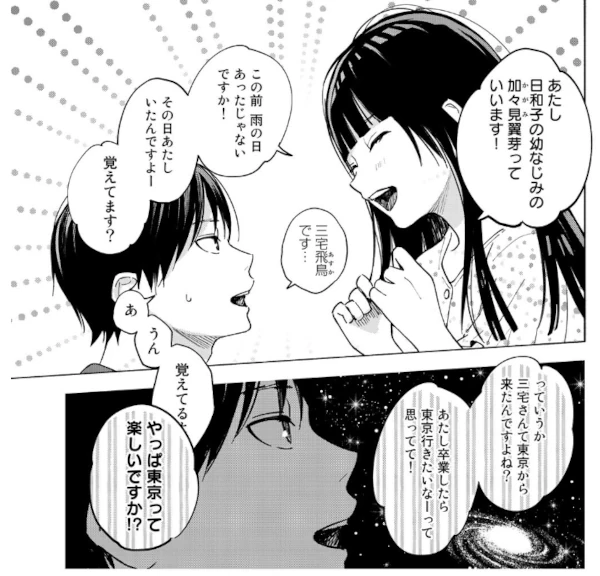
In Yasashii Hikari, the story contrasts two perspectives: a young man who leaves the city to find peace in a rural island life, and local youth who dream of leaving for Tokyo.
This contrast reflects a long-standing theme in Japanese society—the movement between countryside and city, and the different values attached to each.
The “Golden Eggs” of the High-Growth Era
During Japan’s period of rapid economic growth in the 1950s–60s, many young people from rural areas moved to big cities like Tokyo. These young workers were often called 「金の卵」 (“golden eggs”), meaning they were highly valued as fresh labor supporting Japan’s expanding industries.
For these young people:
- The countryside = limited opportunities
- The city = hope, success, and a brighter future
At the time, moving to Tokyo was not just practical—it was symbolic of ambition and upward mobility.
A Dream That Still Exists Today
More than half a century later, this basic structure still remains.
Even today:
- Rural areas often face fewer job opportunities
- Big cities offer more career paths, education, and lifestyle options
Because of this, many young people still admire Tokyo as a place where dreams can come true.
In other words, the image of:
- “Countryside = quiet but limited”
- “City = exciting but demanding”
continues to shape how people think about their future.
Not Just Tokyo: Other Urban Centers
At the same time, not everyone aims directly for Tokyo.
Because Tokyo can feel overwhelming or expensive, many young people choose more accessible major cities such as:
- Osaka
- Fukuoka
These cities offer:
- Urban convenience and job opportunities
- A slightly slower pace compared to Tokyo
This creates a more layered structure of “urban aspiration” in modern Japan.
Reversing the Flow: From City Back to Nature
Interestingly, recent years have also seen the opposite movement.
Some people—like Miyake in the manga—leave big cities to:
- Escape stress and overwork
- Seek a slower, more meaningful lifestyle
- Reconnect with community and nature
This idea of “slowlife” (スローライフ) has become increasingly popular, especially among those feeling burned out by urban life.
What This Means for Learners
This countryside–city dynamic is deeply embedded in Japanese culture and often appears in manga, anime, and real-life conversations.
By understanding it, you can:
- Better grasp character motivations in stories
- Understand why Tokyo is often portrayed as a “special place”
- Recognize the emotional contrast between ambition and peace
In Yasashii Hikari, this tension is gently explored—reminding us that both the city and the countryside represent different kinds of dreams.
A Little Warning
Mix of Polite and Casual Speech
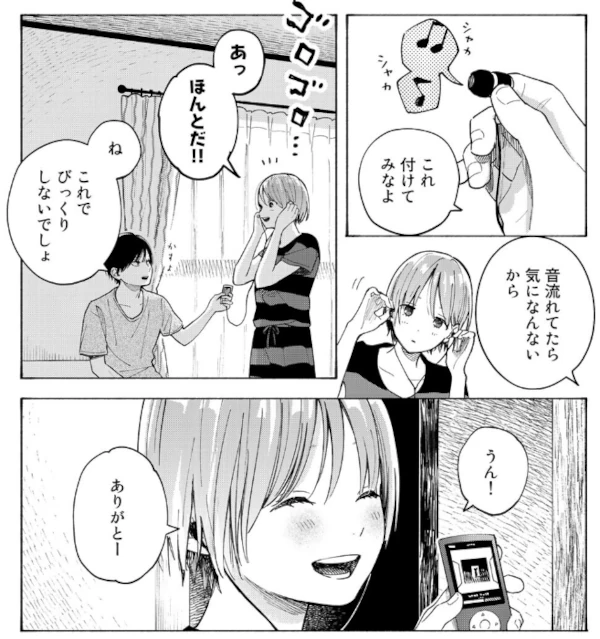
As the story progresses, the relationship between Miyake and Hiyoko, the high school girl he lives with, gradually becomes closer.
When Miyake speaks with her, his language begins to mix polite and casual forms more frequently. For readers who prefer consistent exposure to polite speech, this shift may feel a bit distracting.
Work Information
Yasashii Hikari (やさしいヒカリ)<
Author: Nakamura Hinata
Publisher: KODANSHA
Amount of text: moderate
Challenge level: ★★
Latest volume : Vol.3(Nov.2019 /Completed)
Here’s a safe and convenient way to purchase Japanese manga.
This Blog’s ConceptIn this blog, we are introducing manga that are not only highly captivating but also ideal for Japanese language learners. Studying Japanese through manga is both fun and effective. Manga allows you to understand the subtleties of keigo (honorifics), teineigo (polite speech), and casual conversation in Japanese. We hope you find works that match your interests and use them to enhance your Japanese learning journey.