This time, we’re introducing Havira Senki—a unique fantasy manga perfect for learning natural spoken Japanese through emotionally charged dialogue.
Work Information
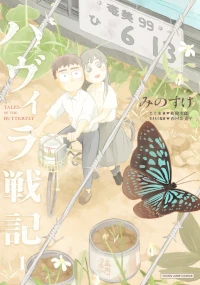
Havira Senki(ハヴィラ戦記)<
Author: Minosuke
Publisher: SHUEISHA
Amount of text: moderate
Challenge level: ★★
Latest volume : Vo7(Apr.2026 / Completed
Story overview
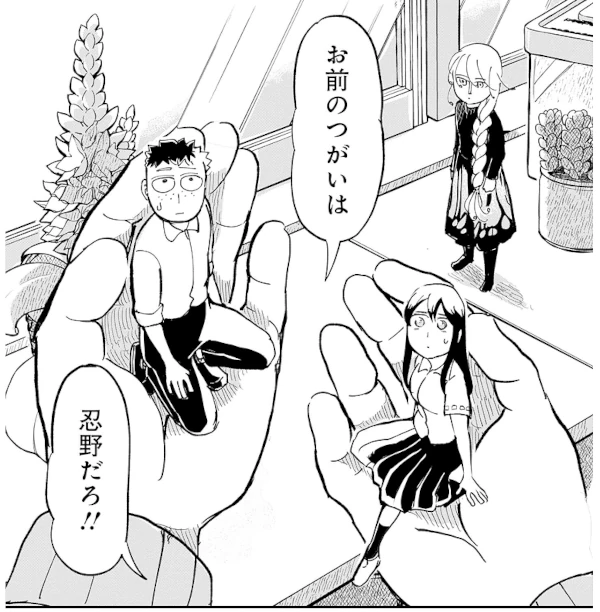
In the Amami Islands, a tiny humanoid species known as the Haviracchu (Butterfly People) is discovered. To prevent their extinction, humans place them under protection and determine which individuals will be paired together for breeding. A young Butterfly Person named Oshino has feelings for Mai, the partner assigned to him. However, their relationship fails to progress.
Then one day, Oshino learns Mai’s true feelings—and everything begins to change…
The Appeal of This Manga
This manga follows a race of tiny human-like beings living under human protection as they struggle, suffer, and search for a brighter future within the confines of a world designed for them. As the story unfolds, readers may begin to question whether the human act of protecting, managing, and increasing the population of endangered species is more unsettling than it first appears.
The series explores difficult questions about conservation, control, and what it truly means for one living creature to “keep” or “raise” another. By the end of Volume 1, only a glimpse of the world’s deeper mysteries has been revealed.
Its intriguing setting and unanswered questions make it difficult to stop turning pages—and even harder to wait for the next volume.
Why this manga is suitable for learning Japanese
This manga is not only entertaining but also highly recommended for Japanese learners for several reasons.
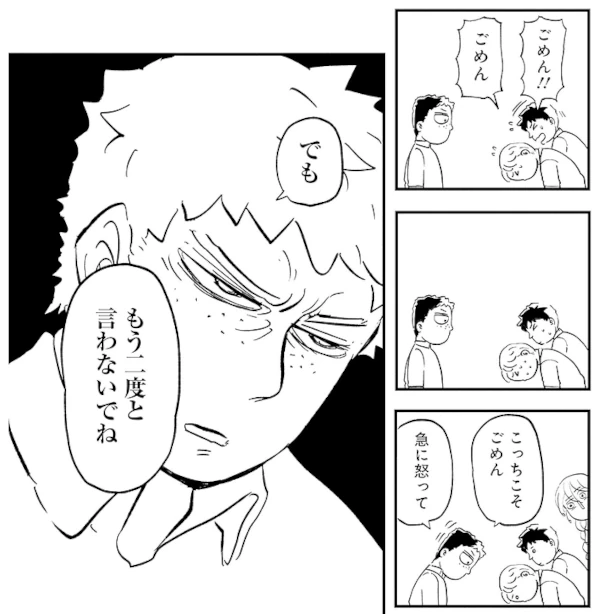
Natural Conversations Between Young People
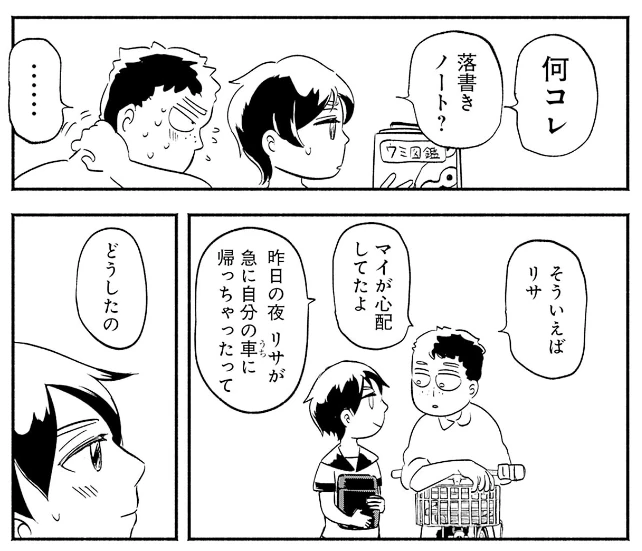
Aside from their tiny size, the main characters are essentially ordinary teenagers. Their conversations feel natural, emotional, and grounded in everyday life.
For beginner and intermediate Japanese learners, the dialogue is generally approachable while still providing plenty of useful examples of authentic spoken Japanese.
Emotionally Charged Dialogue
The protagonists live under unusual and often harsh circumstances. As they struggle with pain, anger, disappointment, and despair, their words carry genuine emotion. These are not textbook examples of Japanese.
Instead, they feel like real conversations spoken by people facing difficult situations, making the dialogue both memorable and valuable for learners.
Culture Spotlight
Japan’s Exotic South: Why Okinawa Inspires So Many Stories沖縄カルチャー
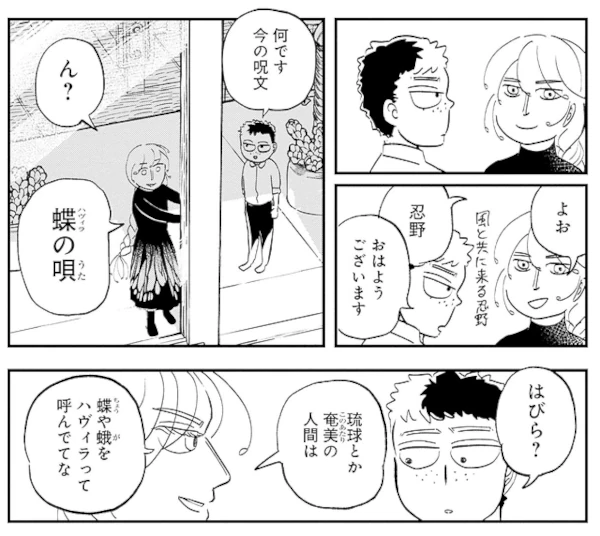
In Havira Senki, the tiny humanoid Butterfly People are said to have been discovered in the Amami Islands, and even the title contains a local word: havira, meaning “butterfly” in the regional language. This is more than just a setting choice. For many Japanese people, Okinawa and the Amami Islands occupy a unique place in the national imagination—a part of Japan, yet somehow different from the Japanese mainland.
Understanding this image can help learners better appreciate not only Havira Senki, but also many other manga, anime, and films set in Okinawa.
A Region Both Inside and Outside Japan
Geographically, Okinawa is Japan’s southernmost prefecture, consisting of hundreds of islands spread across a vast area of ocean. Historically and culturally, however, it developed differently from mainland Japan. The former Ryukyu Kingdom maintained its own language, trade networks, and cultural traditions for centuries before becoming part of modern Japan.
As a result, Okinawa is often associated with:
- distinctive local languages
- unique music and dance
- tropical landscapes
- different food culture
- a slower pace of life
For many Japanese people, visiting Okinawa can feel a little like traveling abroad while remaining within Japan.
Why Creators Love Okinawa
Because Okinawa feels both familiar and foreign, it has become a popular setting for fiction.
Creators often use Okinawa to evoke:
- mystery
- nostalgia
- freedom
- spirituality
- connection with nature
In works like Havira Senki, these associations help create a world that feels slightly removed from everyday Japanese life. Even readers who know little about Okinawa immediately sense that the setting is special.
Okinawa as a Setting in Manga and Anime
Many well-known Japanese works have drawn inspiration from Okinawan culture.
Blood+
Blood+ begins in Okinawa and uses the region’s atmosphere to create a contrast between ordinary island life and supernatural events. The bright scenery and slower rhythm of life make the story’s darker moments feel even more striking.
Aquatope of White Sand
The Aquatope on White Sand takes place in Okinawa and showcases local landscapes, marine life, and community culture. The series presents Okinawa not merely as a tourist destination, but as a living place where people work, struggle, and grow.
Okinawa de Suki ni Natta Ko ga Hougen Sugite Tsura Sugiru
Okinawa de Suki ni Natta Ko ga Hougen Sugite Tsura Sugiru (“The Girl I Fell in Love with in Okinawa Speaks in Such a Heavy Dialect That It’s Hard to Understand”) is a romantic comedy built around Okinawan language and culture. The story humorously explores the communication gap between a newcomer from mainland Japan and local Okinawan students, introducing readers to regional dialects, customs, and everyday life.
Language as Part of the Atmosphere
One reason Okinawa often feels mysterious in fiction is language. Many local words and expressions sound unfamiliar even to native Japanese speakers. The word havira in Havira Senki is a good example. Most Japanese readers would not know this word before encountering the manga.
Using regional vocabulary gives a story:
- authenticity
- cultural depth
- a sense of discovery
Much like fantasy novels use invented languages, Okinawan words can make a fictional world feel larger and more intriguing.
What It Means for Japanese Learners
For learners of Japanese, Okinawa offers an important reminder: Japan is not culturally uniform. Just as English differs between regions and countries, Japanese culture contains many local traditions, dialects, and historical influences. When a manga uses Okinawan words, customs, or imagery, it is often inviting readers to explore a part of Japan that feels both connected to and distinct from the mainland.
Understanding this cultural background can deepen your appreciation of works like Havira Senki and provide a broader view of Japanese society beyond Tokyo and the major cities.
A Little Warning
Understanding Tsugai (“Mate” or “Breeding Pair”)
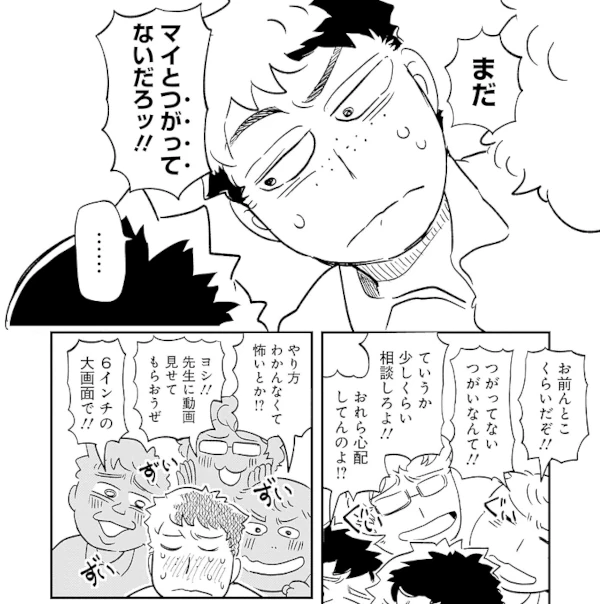
The manga frequently uses words such as tsugai (つがい) and tsugau (つがう). These terms are used because the Butterfly People are treated similarly to protected animal species within the story. In modern Japanese, however, these words are generally not used when talking about human relationships.
つがい (tsugai)
A pair of animals, usually a male and female, or two matching things that form a set.
つがう (tsugau)
To form a pair, or more commonly, for male and female animals to mate.
Because these words are strongly associated with animals, learners should be careful not to use them when referring to human couples or romantic relationships.
Work Information
Havira Senki (ハヴィラ戦記)<
Author: Minosuke
Publisher: SHUEISHA
Amount of text: moderate
Challenge level: ★★
Latest volume : Vo7(Apr.2026 / Completed
Here’s a safe and convenient way to purchase Japanese manga.
This Blog’s ConceptIn this blog, we are introducing manga that are not only highly captivating but also ideal for Japanese language learners. Studying Japanese through manga is both fun and effective. Manga allows you to understand the subtleties of keigo (honorifics), teineigo (polite speech), and casual conversation in Japanese. We hope you find works that match your interests and use them to enhance your Japanese learning journey.