
This time, we’re introducing Masugomi Miman—a gripping media drama perfect for learning professional Japanese and social-issues vocabulary.
Work Information

Masugomi Miman マスゴミ未満<
Author: Matsuura Shogo / Mizuho Dai
Publisher: HAKUSENSHA
Amount of text: moderate
Challenge level: ★★
Latest volume : Vol.4(Feb.2026 / Completed)
Story overview
Yuichi Kayama is a young television reporter determined to become a true journalist. Driven by a desire to fulfill the ideals of his late father, who died while pursuing a story, he works tirelessly in search of the truth.
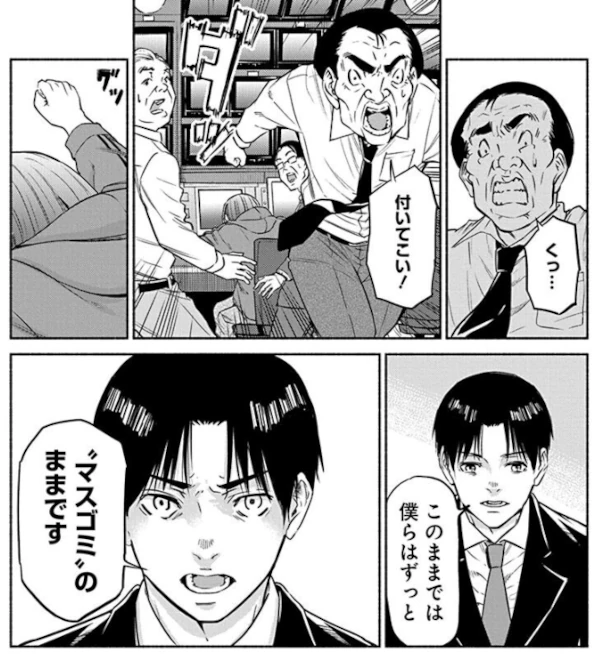
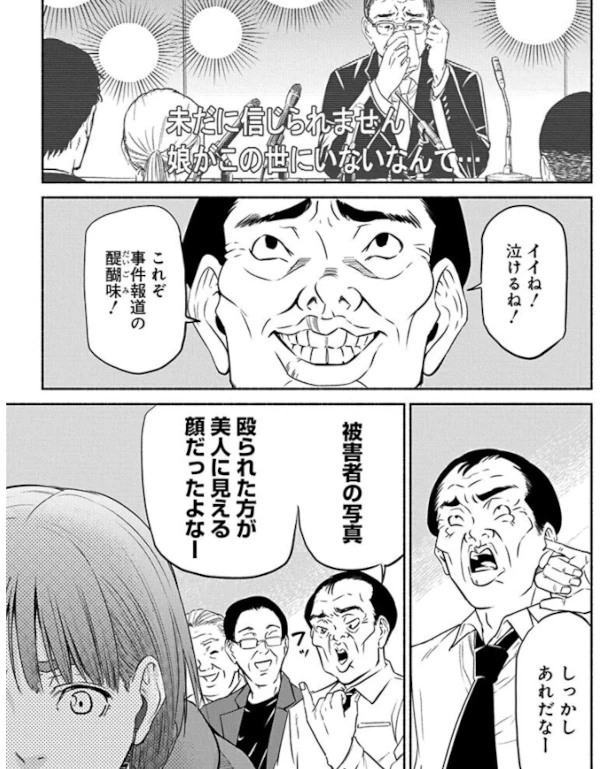
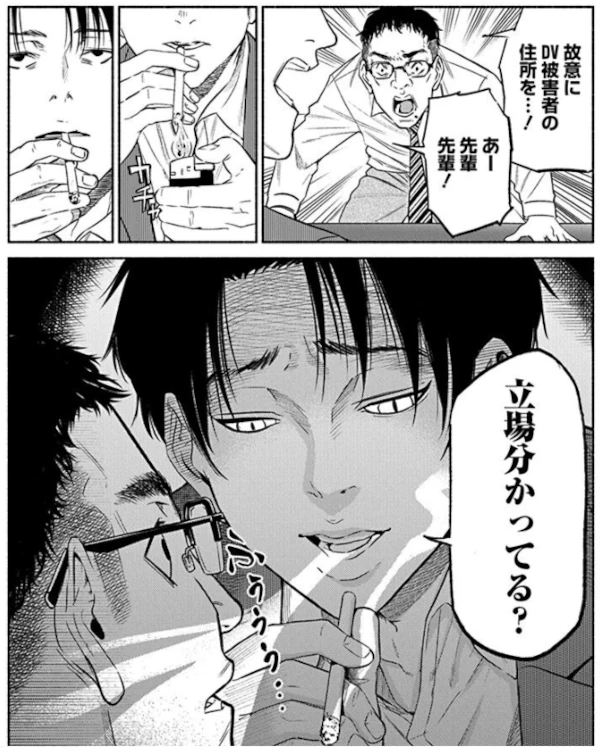
However, he soon finds himself surrounded by a media industry that never seems to change—one that prioritizes protecting those in power, pressures reporters into self-censorship, and sometimes harms victims through intrusive reporting.
Faced with this reality, Kayama decides to risk everything during a live broadcast and puts a bold, unprecedented plan into action. A thrilling revolutionary drama about taking down the rotten modern “masugomi” and exposing the truth!
The Appeal of This Manga
Aimed at exposing the corruption of modern media through an entertaining and fast-paced story, this manga follows an investigative reporter who single-handedly challenges a deeply flawed industry.
In recent years, concerns about media misconduct and journalistic integrity have become frequent topics of public discussion in Japan. News organizations that are seen as avoiding uncomfortable truths, protecting their own interests, and focusing excessively on scandals and sensationalism are increasingly mocked as masugomi (マスゴミ)—a derogatory term combining masukomi (“mass media”) and gomi (“garbage”).
This manga takes direct aim at those criticisms, using the story of a determined reporter to explore and expose the problems of a media system that many believe has lost sight of its original purpose.
Why this manga is suitable for learning Japanese
This manga is not only entertaining but also highly recommended for Japanese learners for several reasons.
Professional and Polite Japanese
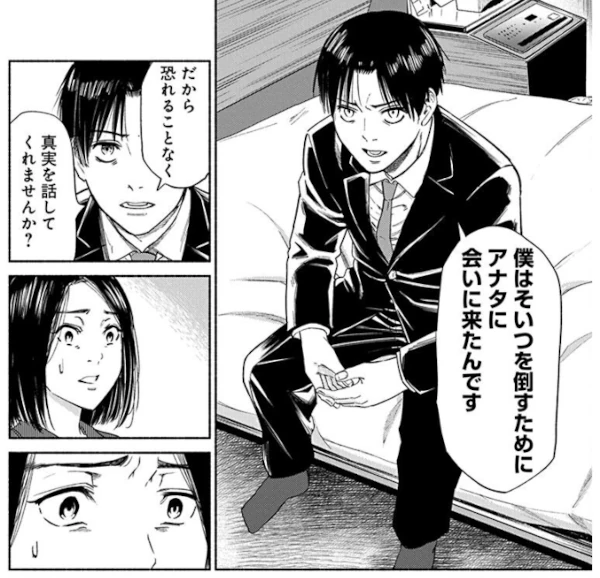
As an investigative reporter, Kayama is constantly interviewing people. Because of this, he generally maintains polite and professional language when speaking with sources, witnesses, and other members of the public. Likewise, interview subjects often respond using polite Japanese as well.
As a result, the manga contains a high amount of realistic敬語 (keigo, polite and respectful language), making it useful for learners interested in formal communication.
Social and Current-Affairs Vocabulary
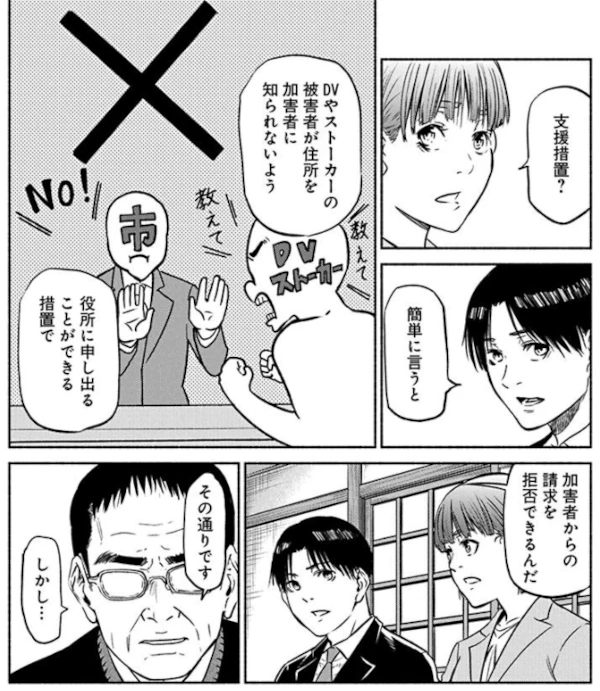
Since the story revolves around journalism and investigations, many of the topics resemble those found in newspapers, television news, and public affairs programs.
Readers will encounter vocabulary related to:
- media and journalism
- politics and government
- public scandals
- crime and investigations
- social issues
These are words and expressions that do not often appear in typical entertainment manga, making the series particularly valuable for learners who want to expand their knowledge of socially relevant Japanese.
Culture Spotlight
When the Media Became the Story: Understanding Japan’s Fuji TV Controversyフジテレビ騒動
In Masugomi Miman, a young reporter fights against a media industry that has lost sight of its mission. Remarkably, shortly after the manga’s first volume was released in late 2024, Japan found itself watching a real-life controversy that seemed to raise many of the same questions.
The scandal surrounding Fuji Television became one of the largest media controversies in modern Japanese history, leading to executive resignations, public apologies, third-party investigations, and the suspension of advertising by many major corporations.
For Japanese learners, understanding this incident can provide valuable insight into both contemporary Japan and the themes explored in Masugomi Miman.
What Happened?
The controversy began with allegations surrounding a well-known television personality and a former female announcer connected to Fuji TV.
However, public criticism soon expanded beyond the original incident itself.
Many people began asking:
- How did the company respond?
- Did management act appropriately?
- Were employees adequately protected?
- Was the organization’s governance functioning properly?
As criticism intensified, numerous major advertisers suspended commercials on the network, and Fuji TV eventually announced leadership changes and external investigations.
Why Was This Different from Previous Scandals?
Japan has experienced media scandals before. What made this case unusual was that the media itself became the target of public scrutiny.
For years, some members of the public had felt that major media organizations were quick to criticize politicians, celebrities, and corporations while treating their own scandals more gently. When Fuji TV executives found themselves facing lengthy live press conferences and repeated demands for accountability, many viewers saw an unusual reversal of roles. To some, it felt almost like watching a real-life good-versus-evil drama unfold, with a powerful institution finally being judged by the public.
This reversal attracted enormous public attention and criticism.
The Importance of Sponsors
One reason the scandal became so significant was the reaction of advertisers. Major companies—including some of Japan’s largest corporations—paused or withdrew advertising from Fuji TV. For television broadcasters, advertising revenue is the foundation of their business. Public criticism alone can be damaging, but the loss of sponsors directly affects a company’s finances.
As a result, the controversy quickly became not only a public-relations issue but also a business crisis.
Why Many Japanese Connected It to “Masugomi”
The term マスゴミ (masugomi) combines:
- マスコミ (masukomi) — “mass media”
- ゴミ (gomi) — “garbage”
It is a highly critical expression used by people who believe the media has become more interested in protecting itself than pursuing the truth. For years, the term was mostly used by media critics and internet communities. After the Fuji TV controversy, however, discussions about media accountability became far more mainstream.
Whether one agrees with the term or not, the scandal demonstrated why many people feel distrust toward major media institutions.
What It Means for Japanese Learners
For learners of Japanese, the Fuji TV controversy and the discussions surrounding it offer more than just a lesson about television.
They introduce important vocabulary and concepts frequently discussed in modern Japan:
- マスコミ (mass media)
- マスゴミ (a derogatory term for the media)
- ガバナンス (governance)
- コンプライアンス (compliance)
- 第三者委員会 (independent investigation committee)
- スポンサー (sponsor)
- 説明責任 (accountability)
The controversy also helps explain why a manga like Masugomi Miman resonates with readers. What might initially seem like an exaggerated fictional critique of the media felt more relevant to many readers when similar issues became the subject of national discussion.
For learners, both the manga and the real-world controversy provide an opportunity to explore not only Japanese language, but also contemporary debates about journalism, corporate responsibility, and public trust in modern Japan.
A Little Warning
Expect Some Frustrating Characters
Because the story focuses on corruption and abuse of power, many characters behave in ways that readers may find unpleasant, unfair, or infuriating. At times, the story can be genuinely frustrating to read.
If that happens, remember the series’ central promise:
- “A thrilling revolutionary drama about destroying the rotten modern media.”
The satisfaction comes from watching those problems eventually be challenged and exposed.
Work Information
Masugomi Miman マスゴミ未満<
Author: Matsuura Shogo / Mizuho Dai
Publisher: HAKUSENSHA
Amount of text: moderate
Challenge level: ★★
Latest volume : Vol.4(Feb.2026 / Completed)
Here’s a safe and convenient way to purchase Japanese manga.
This Blog’s ConceptIn this blog, we are introducing manga that are not only highly captivating but also ideal for Japanese language learners. Studying Japanese through manga is both fun and effective. Manga allows you to understand the subtleties of keigo (honorifics), teineigo (polite speech), and casual conversation in Japanese. We hope you find works that match your interests and use them to enhance your Japanese learning journey.