This time, we’re introducing Otona Taisen—a gripping dystopian thriller that’s perfect for learning contemporary Japanese.
Work Information

Otona Taisen(大人大戦)
Author: Kappy / Tsuduki Masaaki
Publisher: SHUEISYA
Amount of text: moderate
Challenge level: ★★
Latest volume : Vol.5(Jul.2026 / Ongoing)
Story overview
What does it truly mean to be a “proper adult”?
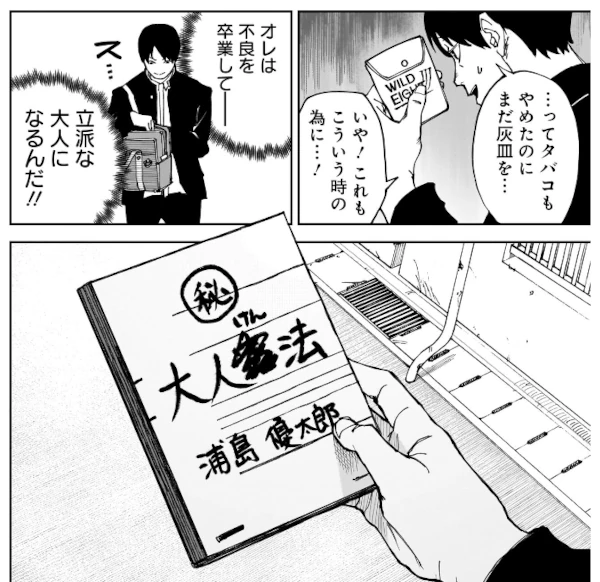
Yutaro Urashima has always lived by a personal set of principles known as the “Adult Constitution,” a code of conduct inspired by the final words his father left behind. Determined to become a respectable adult, he faithfully follows these self-imposed rules. One day, however, Yutaro is hit by a truck while saving a cat. Fifteen years later, he miraculously awakens from a coma—only to discover that his “Adult Constitution” has somehow transformed society itself. Now living in a world where every aspect of life is judged, scored, and constantly monitored, Yutaro must confront a surveillance society obsessed with ratings and social approval.
Thus begins a gripping survival drama against a society where evaluation means everything.
The Appeal of This Manga
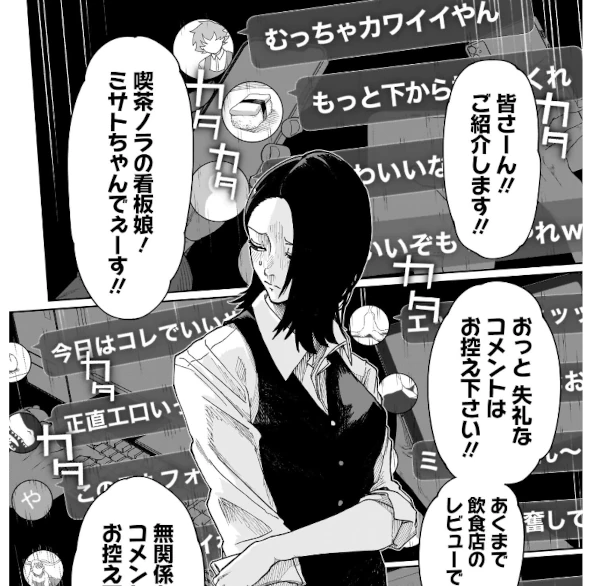
Otona Taisen presents a dystopian vision of a world where the attention economy, fueled by the internet and social media, has spiraled to its extreme.
Although its premise is highly imaginative, the story captures many unsettling aspects of modern society—mob mentality, social pressure, online outrage, and the obsession with public approval.
These familiar anxieties give the fictional world an uncanny sense of realism.
As Yutaro challenges a society whose values have become completely distorted, readers gradually uncover the truth behind this mysterious new world. Because neither Yutaro nor the audience fully understands how the system works, the story remains suspenseful and unpredictable, constantly keeping you eager to discover what comes next.
Why this manga is suitable for learning Japanese
This manga is not only entertaining but also highly recommended for Japanese learners for several reasons.
Contemporary Japanese as It’s Really Spoken
The dialogue throughout the series feels remarkably natural and authentic, with very little of the exaggerated style often found in fiction. Characters speak much like people do in present-day Japan, making the conversations an excellent reference for Japanese learners.
You’ll encounter a wide variety of language styles, including:
- polite Japanese (keigo)
- standard polite speech
- casual conversation
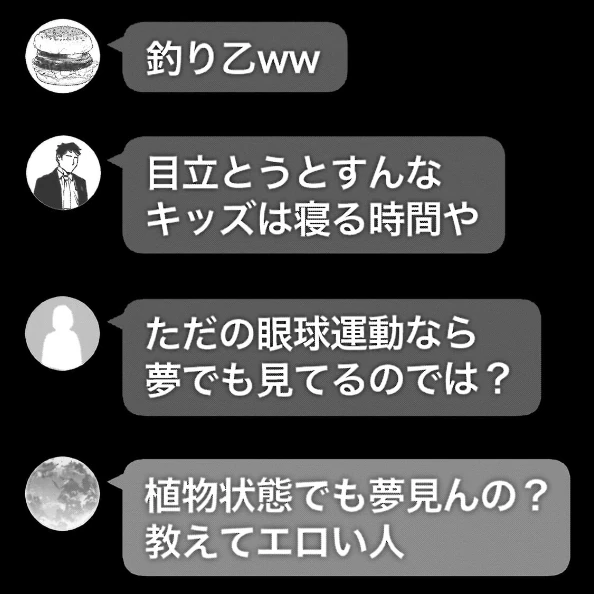
- internet slang
This mixture offers a realistic picture of how modern Japanese speakers shift between different styles depending on the situation.
Full of Everyday Conversation
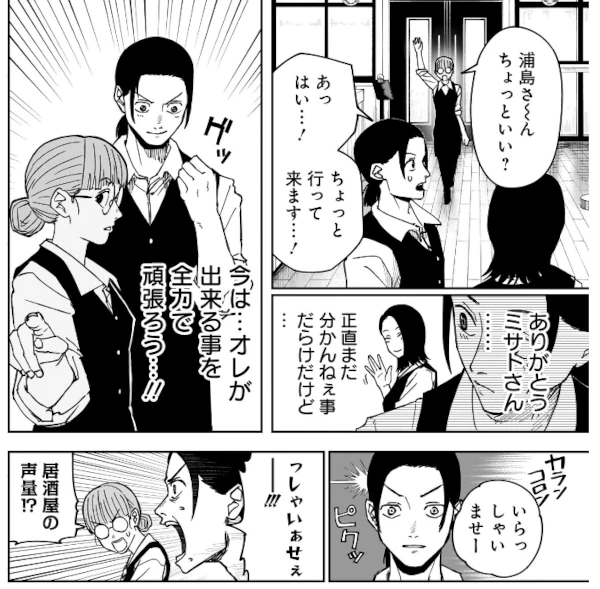
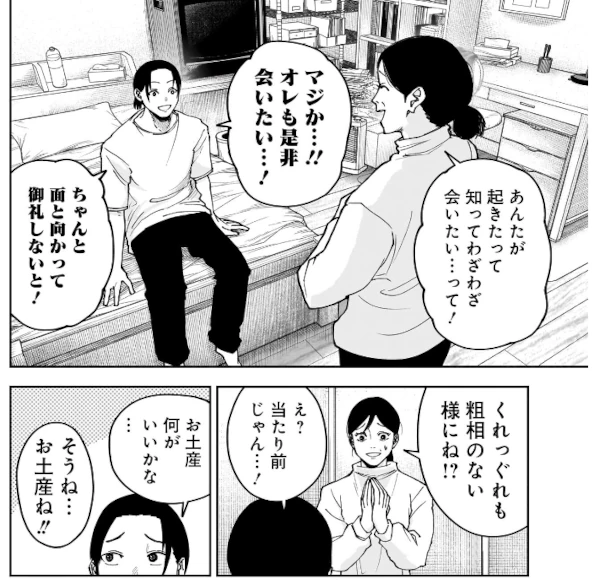
Despite its unusual premise, the story takes place in contemporary Japan during the Reiwa era. As a result, the dialogue reflects the kinds of conversations people actually have in daily life.
Unlike battle manga, fantasy, science fiction, or action series, Adult Wars focuses heavily on practical, everyday communication, making it especially useful for learners who want to improve their conversational Japanese.
Culture Spotlight
The Attention Economy in Japan: Why Social Approval Feels So Powerfulアテンションエコノミー
In Otona Taisen, society revolves around a single idea: Your value depends on how other people evaluate you. Every action is watched, rated, and judged. Although this world is fictional, it reflects a very real phenomenon that has spread across the globe in the age of social media: the attention economy.
For learners of Japanese, this manga also offers an opportunity to understand why this idea can feel especially familiar in modern Japan.
What Is the Attention Economy?
Traditionally, businesses competed for customers’ money. Today, many online platforms compete for something else:
our attention.
Every click, like, repost, comment, and view has value. The longer people stay engaged, the more advertising revenue platforms can generate. As a result, social media encourages users not only to consume content, but also to compete for visibility and recognition.
Many people begin asking themselves questions such as:
- “How many people liked my post?”
- “Will people agree with me?”
- “Am I being noticed?”
- “What will others think?”
This pressure exists everywhere—not only in Japan.
Why Does It Feel Different in Japan?
While the attention economy is global, Japan has several cultural traditions that can make public evaluation feel especially significant.
For centuries, Japanese society has placed a high value on:
- maintaining harmony (wa)
- considering other people’s feelings
- avoiding unnecessary conflict
- reading the atmosphere (kuuki wo yomu)
These values help people cooperate smoothly in daily life. However, social media can amplify them in unexpected ways.
Instead of simply asking, “What do I think?”, people may also wonder:
“How will everyone else react?”
The opinions of the group can sometimes feel as important as one’s own.
From “Reading the Room” to Reading the Timeline
One expression frequently heard in Japan is:
空気を読む (kuuki wo yomu)
Literally, it means “to read the air.”
In practice, it means understanding unspoken expectations and adjusting your behavior accordingly.
This ability is often appreciated in workplaces, schools, and social situations. On social media, however, “reading the room” can become much more difficult. Instead of observing the reactions of a few people nearby, users are exposed to the opinions of thousands—or even millions—of strangers. As a result, many people feel pressure to anticipate public opinion before expressing themselves.
Why Online Outrage Spreads So Quickly
Japanese internet users sometimes use expressions such as:
- 炎上 (enjō) — “going up in flames,” meaning an online backlash
- 空気を読む — reading the room
- 同調圧力 (dōchō atsuryoku) — peer pressure or pressure to conform
None of these ideas are unique to Japan. Similar phenomena exist in many countries. However, because harmony and social consideration are already deeply rooted in Japanese culture, these expressions have become common ways of describing life both online and offline. This cultural background helps explain why stories like Otona Taisen resonate with many Japanese readers.
The manga exaggerates these tendencies, but it builds its dystopian world from emotions that already feel familiar.
What It Means for Japanese Learners
Learning Japanese isn’t only about grammar and vocabulary. It’s also about understanding the cultural ideas that shape everyday communication.
When you encounter words like 炎上 (online backlash), 承認欲求 (the desire for recognition), 空気を読む (reading the room), or 同調圧力 (peer pressure), you’re seeing more than internet slang. These expressions reflect ongoing conversations in Japan about social media, public opinion, and the pressure of being constantly evaluated.
Otona Taisen takes these real-world concerns and imagines what would happen if they became the foundation of society itself.
By understanding the cultural ideas behind the story, you’ll not only appreciate the manga more deeply—you’ll also gain insight into some of the most important conversations taking place in contemporary Japan.
A Little Warning
Be Careful with Internet Slang
Because the story revolves around online culture and social media, it contains a large amount of internet slang and online expressions. While these terms are useful to recognize, they aren’t always appropriate for everyday conversation.
Rather than trying to actively use them yourself, it’s best to treat them as cultural knowledge that will help you better understand modern Japanese media and online discussions.
Work Information
Otona Taisen(大人大戦)
Author: Kappy / Tsuduki Masaaki
Publisher: SHUEISYA
Amount of text: moderate
Challenge level: ★★
Latest volume : Vol.5(Jul.2026 / Ongoing)
Here’s a safe and convenient way to purchase Japanese manga.
This Blog’s ConceptIn this blog, we are introducing manga that are not only highly captivating but also ideal for Japanese language learners. Studying Japanese through manga is both fun and effective. Manga allows you to understand the subtleties of keigo (honorifics), teineigo (polite speech), and casual conversation in Japanese. We hope you find works that match your interests and use them to enhance your Japanese learning journey.