This time, we’re introducing The Guardian of the Law Cannot Choose Whom to Protect—a unique isekai manga featuring courtroom drama and plenty of formal Japanese and keigo.
Work Information
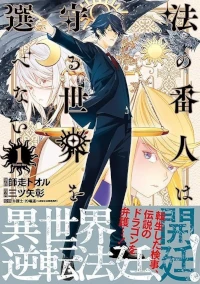
Hou no Bannin ha Mamoru Sekai wo Erabenai(法の番人は守る世界を選べない)
Author: Shiwasu Toru / Mitsuya Akira
Publisher: KODANSHA
Amount of text: plentiful
Challenge level: ★★★
Latest volume : Vol.3(Jun.2026/ Ongoing)
Story overview
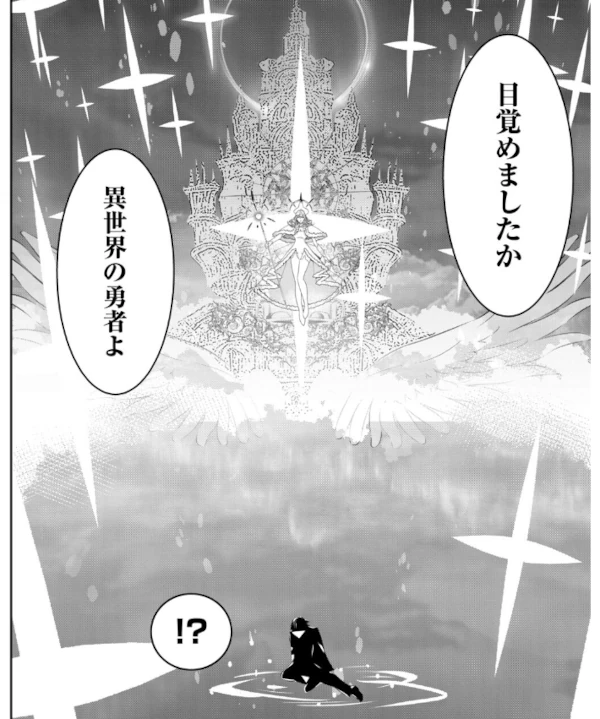
Yuki Nakamura is an elite prosecutor who attempts to bring criminal charges against the CEO of an IT company responsible for a heinous traffic accident. However, dark forces with immense power intervene, and Nakamura is murdered instead. When he regains consciousness, he finds himself face-to-face with a goddess, who makes him an offer: “I want you to bring order to my world through the power of law.” Accepting her proposal, Nakamura is reincarnated in another world with special abilities that make him a guardian of the law.
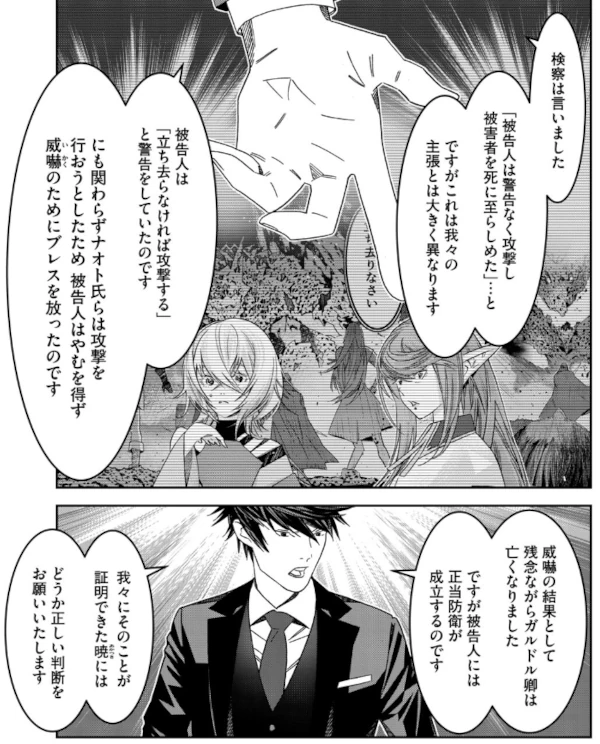
His first assignment? Defending a legendary dragon charged with murder for burning an entire hero’s party to death with its fiery breath!
The Appeal of This Manga
Isekai (another-world reincarnation) is now one of the most popular and prolific genres in Japanese entertainment. A typical premise involves an ordinary person being reincarnated in a fantasy world, gaining an overpowered ability, and dominating a world of swords and magic. However, as the genre has expanded, many works have emerged that break away from these familiar conventions.
This manga is one such example. Its protagonist, Yuki Nakamura, is a former prosecutor reincarnated in a fantasy world, where he becomes a guardian of the law, taking on roles similar to those of lawyers and prosecutors. He uses his legal expertise to help those in trouble—including monsters!
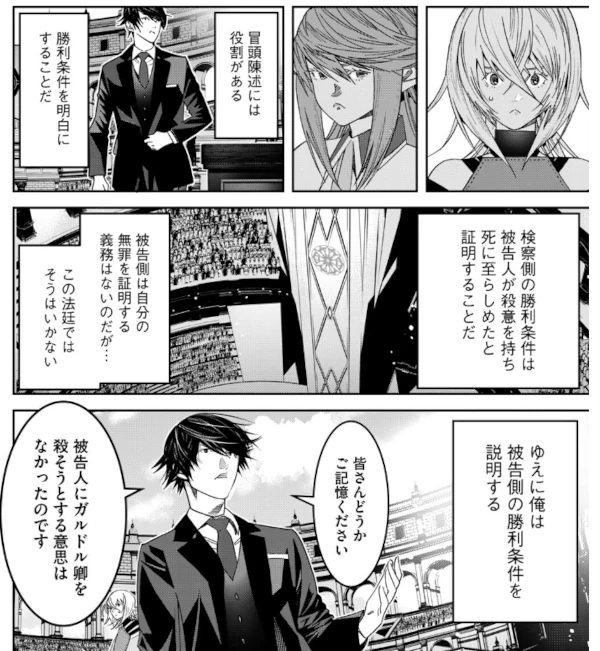
In the first volume, Nakamura takes on the defense of a mighty dragon charged with murder, an admittedly outrageous premise. Yet the courtroom proceedings themselves are surprisingly similar to those in real-world trials. The result is a unique blend of fantasy and courtroom drama, offering something quite different from the usual isekai adventure.
Why this manga is suitable for learning Japanese
This manga is not only entertaining but also highly recommended for Japanese learners for several reasons.
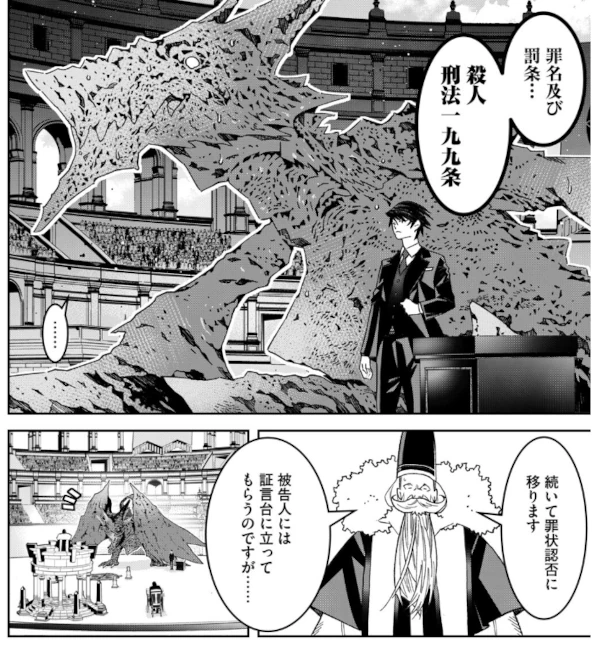
Extensive and Proper Use of Keigo
All courtroom conversations are conducted using keigo (Japanese honorific language). For learners looking to develop a solid command of formal Japanese, particularly in professional settings, this manga offers an excellent learning resource, with both a wide variety of expressions and plenty of examples.
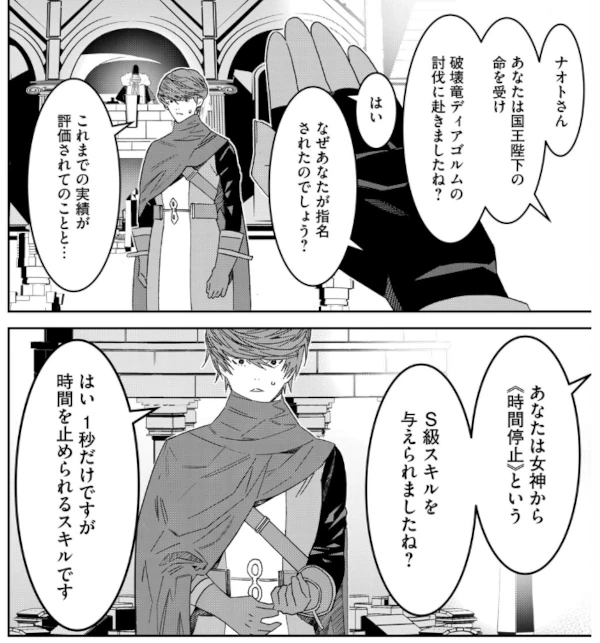
Courtroom Dialogue
A large portion of the first volume takes place in a courtroom, featuring plenty of formal, business-like dialogue. Although some expressions may sound a little out of place in everyday conversation, the manga provides an excellent opportunity to study logical argumentation, negotiation techniques, and the formal language used in legal proceedings.
Extensive and Proper Use of Keigo
All courtroom conversations are conducted using keigo (Japanese honorific language). For learners looking to develop a solid command of formal Japanese, particularly in professional settings, this manga offers an excellent learning resource, with both a wide variety of expressions and plenty of examples.
Culture Spotlight
The Evolution of Isekai: How Japan’s Otherworld Stories Keep Changing変わった設定の異世界転生モノ
In the manga The Guardian of the Law Cannot Choose Whom to Protect, Yuki Nakamura, an elite prosecutor who is murdered by powerful forces, is reincarnated in another world. At the request of a goddess, he takes on the role of a guardian of the law, using his legal expertise to bring order to a fantasy world.
It’s an unusual premise, even by isekai standards. But why are stories about reincarnation in another world so popular in Japan in the first place? And why do so many of them feature increasingly unconventional settings and protagonists?
To understand this phenomenon, let’s take a look at the history of isekai and how the genre has evolved.
From Classic Fantasy to a Major Genre
Stories about people traveling to other worlds are nothing new in Japanese entertainment. Works such as Warrior from Another World (1979) and The Twelve Kingdoms (which began in 1992) explored the idea of ordinary people entering unfamiliar fantasy worlds.
However, the modern isekai boom has a closer connection to the rise of light novels and online fiction in the 2000s.
One important development was the growth of Shōsetsuka ni Narō, a website launched in 2004 where anyone could publish their own novels for free. Aspiring writers no longer needed to go through traditional publishing channels to share their stories with readers.
Light novels such as The Familiar of Zero (2004) also helped popularize stories in which characters from modern Japan were transported to fantasy worlds. As these works attracted fans, similar stories—and eventually original web novels—began to multiply.
During the 2010s, many successful web novels were adapted into books, manga, and anime. This created a powerful cycle: readers discovered stories online, popular titles gained commercial releases, and anime adaptations introduced them to even wider audiences. Isekai gradually became one of the biggest genres in Japanese entertainment.
Why the Same Basic Formula Works So Well
A typical isekai story begins with a protagonist from modern Japan who dies, is transported, or is reincarnated in another world. That world often resembles a fantasy role-playing game, complete with magic, monsters, adventurers, and familiar game-like systems.
Many protagonists also receive special abilities, commonly called cheat abilities (チート能力, chīto nōryoku), that give them an overwhelming advantage.
This formula offers creators considerable freedom. A protagonist can start a new life, use knowledge from the modern world, become a powerful adventurer, or simply enjoy a peaceful existence away from the pressures of everyday society.
The genre also makes it easy to combine familiar elements in different ways. Readers may already understand the basic fantasy setting, allowing a story to focus on its protagonist, unusual abilities, relationships, or central conflict.
In other words, isekai offers both familiarity and the excitement of discovering a completely different world.
The Numbers Behind the Isekai Boom
The growth of isekai can also be seen in publishing data. According to the Publication Science Institute of Japan, the number of newly published books originating from online fiction platforms rose from just 255 titles in 2013 to 1,393 in 2020—more than five times as many in only seven years. The institute notes that a large proportion of these works featured fantasy stories about reincarnation in another world.
The trend also extended to anime. By July 2025, more than 150 works that had appeared on the popular web novel platform Shōsetsuka ni Narō had received anime adaptations, according to an independent compilation. This figure excludes many other isekai works from different platforms and publishing routes.
Together, these figures illustrate how isekai evolved from a relatively specialized theme into a major source of stories for Japan’s publishing and anime industries.
Beyond the Standard Formula: Unusual Isekai Settings
As the isekai genre has become increasingly crowded, writers have found new ways to stand out. Rather than simply giving their protagonists powerful abilities, many have come up with unusual characters, occupations, and situations. Here are a few examples that show just how creative the genre has become.
Reborn as a Vending Machine, I Now Wander the Dungeon:
The protagonist is reincarnated as—you guessed it—a vending machine! Unable to move freely, he uses his ability to sell drinks and snacks to help people in a fantasy dungeon.
Reincarnated as a Sword:
Instead of becoming a hero or adventurer, the protagonist is reborn as a sentient sword. He eventually teams up with a young cat-eared girl and supports her as she grows stronger.
From Bureaucrat to Villainess: Dad’s Been Reincarnated!:
A 52-year-old civil servant finds himself reincarnated as the villainess in his daughter’s favorite dating simulation game. His secret weapon? Decades of professional and parental experience.
No Longer Allowed in Another World:
Inspired by the writer Osamu Dazai, the protagonist is transported to a fantasy world, but has little interest in becoming a hero. His unusual outlook turns the familiar isekai adventure on its head.
The Dungeon of Black Company:
A young man who had been enjoying a comfortable life through passive income is suddenly transported to another world, only to find himself trapped in a harsh dungeon workplace. Instead of fighting monsters, he struggles with exploitation, business, and making money.
Isekai Izakaya:
Japanese Food From Another World: A Japanese pub mysteriously connects to a fantasy city, where its food and drinks bring together people from different worlds. Here, the focus is on food and everyday interactions rather than epic battles.
These examples show that almost anything can become the starting point for an isekai story. From vending machines and swords to office workers and Japanese pubs, creators continue to explore unexpected ways of reimagining life in another world. In The Guardian of the Law Cannot Choose Whom to Protect, that unusual angle comes from making a former prosecutor the protagonist—and turning a fantasy adventure into a courtroom drama.
What This Means for Learners of Japanese
One of the great things about isekai manga is the variety of language and situations they offer. Depending on the protagonist and setting, you might encounter vocabulary related to business, cooking, law, military affairs, or everyday life. Rather than sticking to familiar fantasy expressions, exploring unusual isekai stories can broaden your Japanese vocabulary and introduce you to topics you might not otherwise encounter.
The Guardian of the Law Cannot Choose Whom to Protect is a good example, offering plenty of formal dialogue, keigo, and legal terminology through its courtroom scenes. It’s a reminder that even a fantasy adventure can become an unexpected opportunity to learn practical Japanese.
A Little Warning
Advanced Vocabulary and Difficult Terminology
Given its legal theme, the manga contains a large number of specialized legal terms. Much of the vocabulary differs from what learners encounter in everyday conversation, making the text considerably challenging to read. It also contains a substantial amount of dialogue, so it is not particularly suitable for beginners.
Work Information
Hou no Bannin ha Mamoru Sekai wo Erabenai(法の番人は守る世界を選べない)
Author: Shiwasu Toru / Mitsuya Akira
Publisher: KODANSHA
Amount of text: plentiful
Challenge level: ★★★
Latest volume : Vol.3(Jun.2026/ Ongoing)
Here’s a safe and convenient way to purchase Japanese manga.
This Blog’s ConceptIn this blog, we are introducing manga that are not only highly captivating but also ideal for Japanese language learners. Studying Japanese through manga is both fun and effective. Manga allows you to understand the subtleties of keigo (honorifics), teineigo (polite speech), and casual conversation in Japanese. We hope you find works that match your interests and use them to enhance your Japanese learning journey.